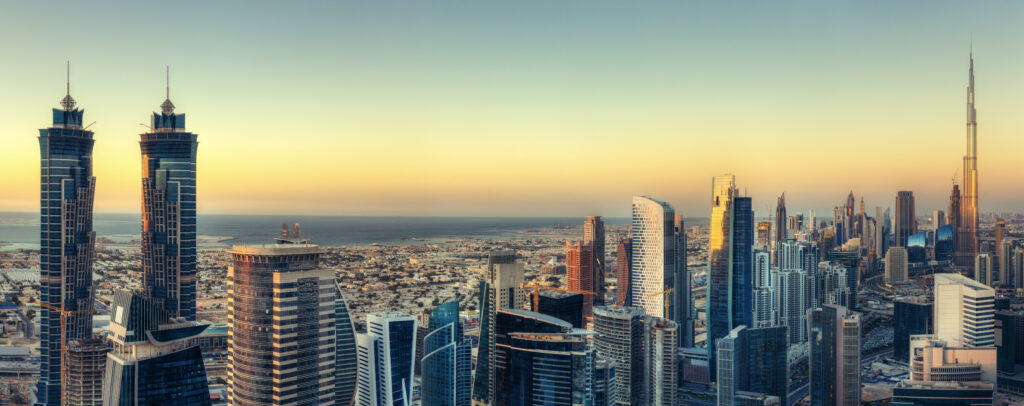


The landscape of real estate uae Dubai has transitioned into a sophisticated, performance-driven environment as we move through 2026. No longer defined solely by rapid appreciation, the market now prioritizes sustainable growth, infrastructure integration, and long-term residency. For global investors and residents alike, understanding the nuances of this shift is essential for capital preservation and yield optimization.
Market Resilience and the Dubai Property Market Forecast 2026
As we analyze the current trajectory, the Dubai property market forecast 2026 suggests a period of healthy stabilization. Following the double-digit growth seen in previous cycles, price appreciation has moderated to a sustainable 5% to 8% range. This cooling effect is actually a positive signal for the long-term health of the sector, as it reduces the risk of overheating and encourages value-based purchasing.
Investors looking to buy property in Dubai are now focusing on assets that offer more than just a luxury facade. There is a clear flight to quality, where the track record of the developer and the functional design of the unit dictate the final price. Those who intend to rent apartment in Dubai are also seeing a shift, with a 20% increase in demand for units in well-connected hubs, particularly as the city expands toward the south and the shoreline.
When evaluating the residential sector, the distinction between various asset classes remains sharp. While villas continue to see strong demand due to the ongoing influx of families, the apartment segment is being bolstered by the rapid expansion of the professional workforce. When searching for the perfect residential property in Dubai, it is vital to consider how local infrastructure projects are fundamentally altering the desirability of specific neighborhoods.
High-Growth Corridors and Off-Plan Projects Dubai
The current appetite for off-plan projects Dubai remains robust, with over 11,500 new units launched in the first quarter of the year alone. These developments are no longer speculative bets; they are strategic components of the city’s geographical expansion. Areas that were once considered peripheral are now central to the investment conversation.
For those seeking high-entry-value assets, luxury villas for sale in Dubai are concentrated in established and emerging prestige zones. Communities like Dubai Hills Estate have become the gold standard for integrated family living, offering a blend of greenery and modern amenities. Simultaneously, the demand for Dubai Marina apartments remains perennial, driven by young professionals and high-net-worth individuals who value the vibrant, pedestrian-friendly lifestyle and proximity to the business districts.
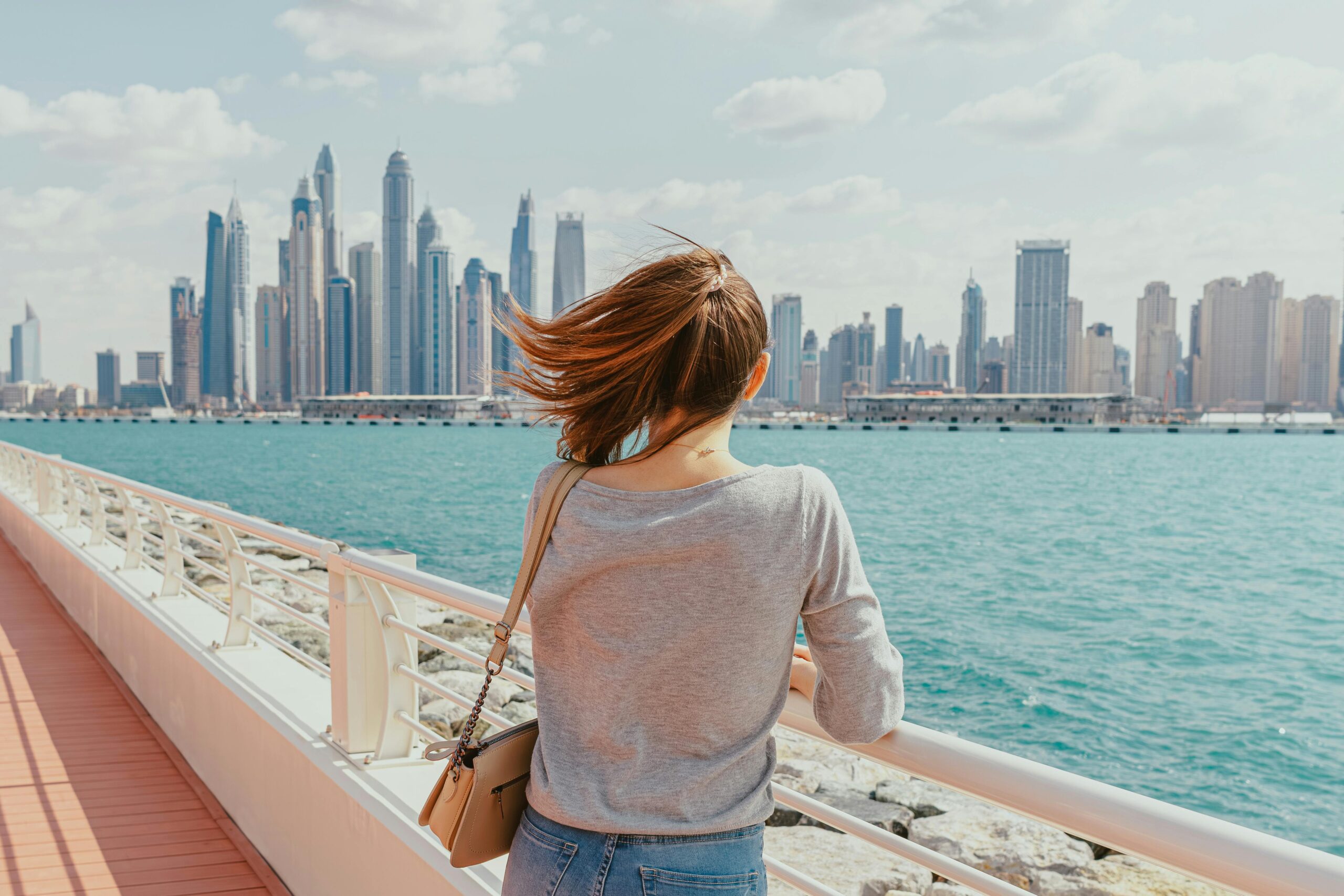
Waterfront properties Dubai continue to command the highest premiums in the market. Whether it is a penthouse overlooking the Arabian Gulf or a townhouse nestled along a man-made canal, the scarcity of coastal land ensures these assets remain resilient against market volatility. This premium is further solidified by the Dubai 2040 Urban Master Plan, which aims to double the length of public beaches and enhance coastal accessibility, directly benefiting owners in these zones.
Sustainability and the 2040 Vision
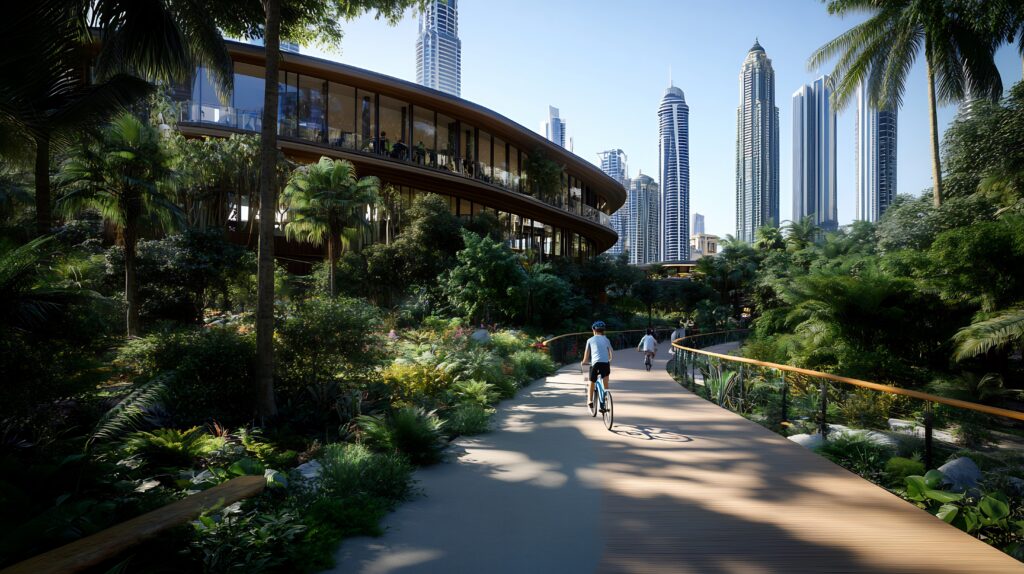
The drive toward sustainable living Dubai is no longer an optional feature but a core requirement for new developments. The government’s vision for a 20-minute city has spurred developers to create self-contained ecosystems where residents can access 80% of their daily needs within a short walk or cycle. This focus on wellness and efficiency is attracting a new demographic of eco-conscious investors.
A significant portion of the residential property investment UAE is now flowing into projects that boast LEED certifications and smart energy management. These features are not just environmental statements; they are financial safeguards. Reduced utility costs and lower maintenance requirements translate directly into higher net margins for landlords.
The Dubai Golden Visa real estate program continues to be a primary catalyst for long-term commitment to the emirate. With a minimum investment threshold of AED 2 million, the visa provides a 10-year residency that is independent of employment. This stability has encouraged many to move their primary residence to the UAE, shifting the market dynamic from a transient investment hub to a permanent home for the global elite.
Analyzing Rental Yields in Dubai 2026
For those focused on cash flow, rental yields in Dubai 2026 remain some of the most competitive globally. While prime areas like Downtown offer prestige, higher yields are often found in mid-market and emerging sectors. Identifying these pockets requires a granular understanding of tenant behavior and infrastructure timelines.
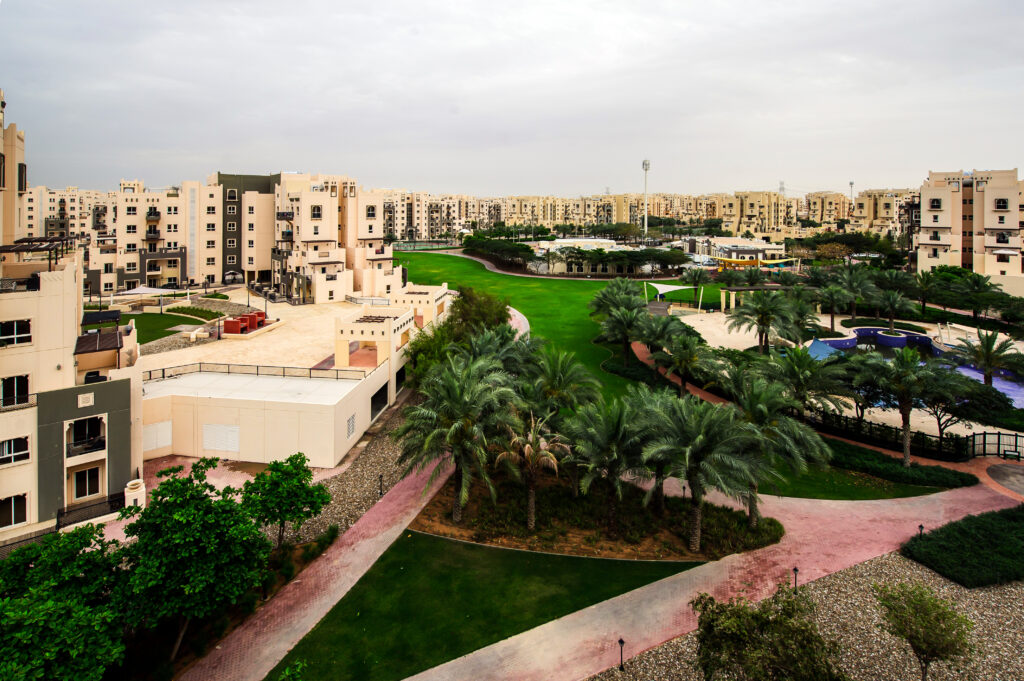
One such pocket is the affordable housing Dubai South region. As the Al Maktoum International Airport expansion progresses, this area is transforming into a major logistics and residential hub. Proximity to the airport and the repurposed Expo City site has created a steady stream of demand from professionals in the aviation and technology sectors.
Similarly, Business Bay office space is seeing a resurgence as more international firms establish their regional headquarters in the city. The synergy between commercial and residential components in Business Bay makes it a prime location for those who want to live and work in the heart of the city. For businesses looking for the right commercial property in Dubai, the availability of Grade A infrastructure in this district is a significant draw.
Strategic Community Insights: JVC and the Secondary Market
The appeal of Jumeirah Village Circle properties lies in their balance of affordability and location. Offering gross yields between 7% and 8.5%, JVC has become a favorite for both budget-conscious renters and yield-focused investors. The community’s maturing infrastructure and increasing number of retail outlets have made it a self-sustained hub that appeals to a wide range of demographics.
A critical debate for investors in 2026 is the choice of secondary market vs off-plan. While off-plan units offer the benefit of modern designs and flexible payment plans, the secondary market provides immediate rental income and a proven track record of service charges and maintenance. In a maturing market, the ability to inspect a physical asset and review its performance history is becoming increasingly valuable.
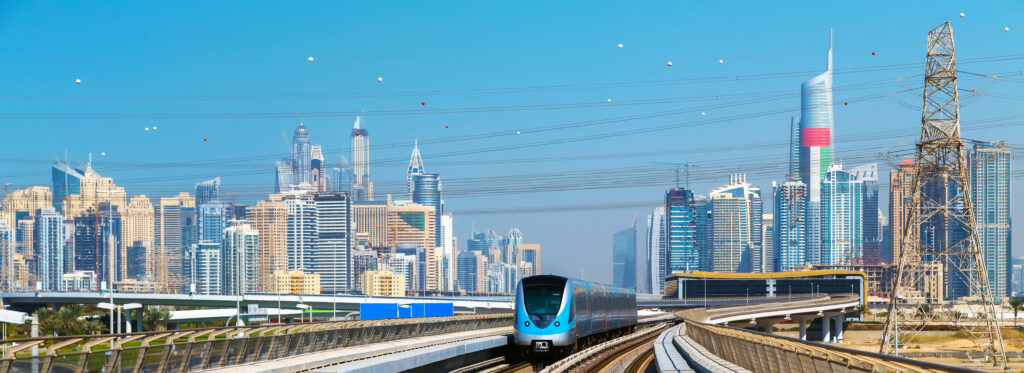
Infrastructure as a Value Driver: The Dubai Metro Blue Line Impact
The most significant infrastructure development currently influencing valuations is the Dubai Metro Blue Line impact. Scheduled for completion in 2029, the 30km expansion is already driving a “transit-oriented development” premium. Properties located within an 8-minute walk of planned stations have seen capital appreciation rates nearly 20% higher than those in disconnected areas.
This connectivity is particularly vital for the millionaire migration to Dubai, which is projected to reach record levels this year. Wealthy families from the UK, Europe, and Asia are seeking jurisdictions that offer not just tax efficiency but also world-class mobility. The ability to move seamlessly between the airport, the financial center, and luxury residential enclaves is a key factor in their relocation decisions.
Luxury and Branded Residences
The search for high-ROI Dubai apartments often leads to the growing sector of branded residences Dubai. These properties, managed by international hotel brands or luxury fashion houses, offer a level of service and prestige that attracts high-paying tenants and ensures strong resale value. Names like Armani, Bulgari, and Ritz-Carlton have set new benchmarks for what luxury living entails in the emirate.
At the pinnacle of this segment are the Palm Jumeirah luxury homes. Despite the launch of newer waterfront projects, the Palm remains the definitive address for global wealth. Its limited supply and iconic status mean that any available villa or high-end apartment is met with intense competition from international buyers.
Data and Transaction Volatility
Total Dubai real estate transaction volume has reached new heights in 2026, reflecting the deep liquidity of the market. This volume is not just a sign of demand but also of the transparency provided by the Dubai Land Department. Investors can now access real-time data on sales, rentals, and service charges, allowing for more accurate modeling of potential returns.
The rise of eco-friendly residential developments is a direct response to this data-driven transparency. Tenants are increasingly asking for energy performance records, and buyers are pricing in the future costs of carbon taxes or energy inefficiencies. Developers who ignore these trends are finding it harder to maintain their price points in a competitive market.
Technology and Management
The integration of smart home technology Dubai has moved beyond simple lighting controls. In 2026, AI-driven systems manage everything from indoor air quality to predictive maintenance of HVAC units. For the absentee owner, these technologies are essential for protecting the asset’s value and ensuring tenant satisfaction.
Comprehensive property management services UAE have also evolved to meet these technical demands. Professional managers now provide digital dashboards for landlords, offering transparent reporting on expenses and occupancy. This professionalization of the rental market has reduced the “hassle factor” for international investors, making Dubai a more attractive destination for passive income.
Freehold Ownership and Financing
The expansion of freehold areas for expats has been a cornerstone of the market’s success. By allowing 100% ownership in designated zones, the government has provided the legal certainty necessary for large-scale foreign investment. This certainty is further supported by a robust legal framework that protects the rights of both buyers and sellers.
For those looking at the villa segment, Dubai Hills Estate villas offer a compelling case study in master-planned success. The community’s layout, which centers around a championship golf course and a massive central park, has created a lifestyle that is difficult to replicate. This has led to consistent capital gains and high occupancy rates since its inception.
Navigating the financial aspect of a purchase requires an understanding of mortgage rates UAE 2026. While global interest rates have fluctuated, the local banking sector remains competitive, offering a variety of products for both residents and non-residents. Securing pre-approval is a critical first step for any serious buyer in today’s fast-moving environment.
The Heart of the City: Downtown and Emaar
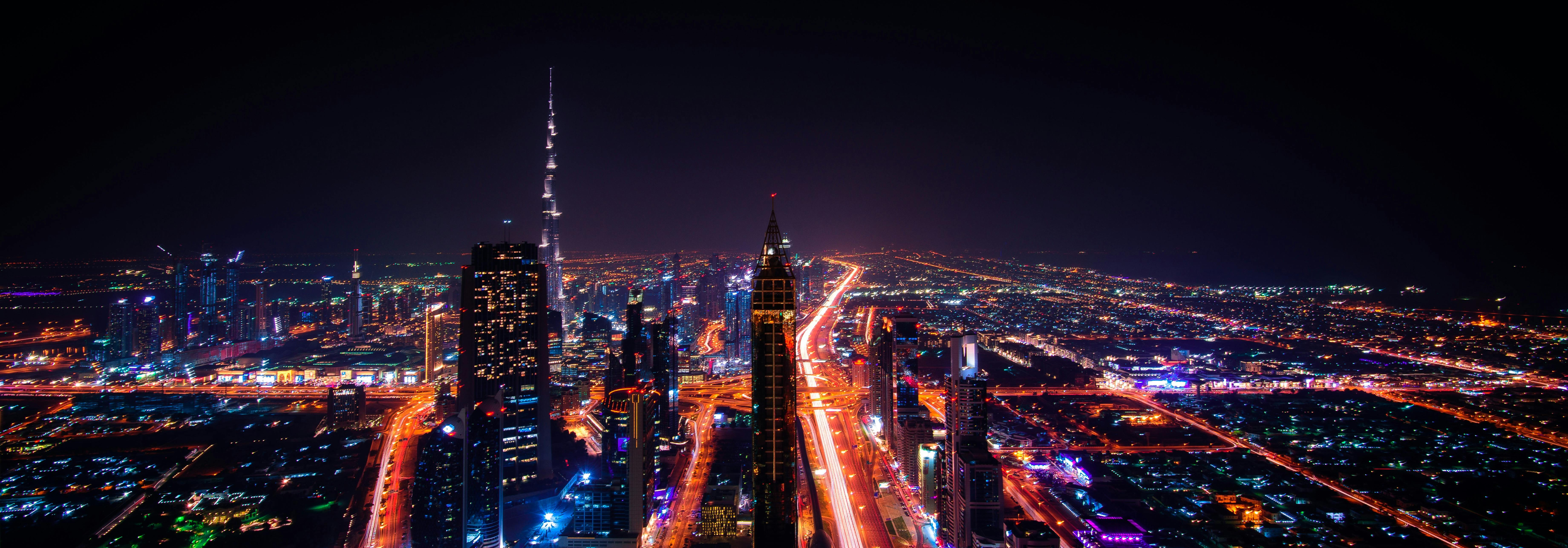
The allure of Downtown Dubai real estate remains as strong as ever. As the home of the Burj Khalifa and the Dubai Mall, this district is the face of the city to the world. It serves as a benchmark for the entire market, with its performance often signaling broader trends in investor sentiment.
Much of the success of Downtown and other prime areas can be attributed to the dominant role of Emaar properties Dubai. As the city’s largest developer, Emaar’s master plans have historically set the standard for quality and community management. Their projects often command a premium because of the brand’s reputation for timely delivery and high-level maintenance.
Conclusion
The state of real estate uae dubai in 2026 is one of maturity and strategic growth. The market has successfully moved past its early volatile phases to become a stable, transparent, and highly attractive destination for global capital. Whether you are looking for a primary residence or a high-yield investment, the key to success lies in identifying projects that align with the city’s long-term infrastructure and sustainability goals. By focusing on quality, connectivity, and performance data, investors can secure their place in one of the world’s most dynamic urban landscapes.
Frequently Asked Questions
What are the main costs when buying a property in Dubai? Beyond the purchase price, buyers must account for the 4% Dubai Land Department transfer fee, a 2% agency fee, and various administrative costs for the title deed and mortgage registration. It is also wise to set aside a small percentage for property snagging and initial maintenance.
Can I get a mortgage as a non-resident? Yes, several banks in the UAE offer mortgage products to non-residents, though the loan-to-value (LTV) ratios are typically lower than those for residents. You can generally expect to provide a 25% to 50% down payment depending on the bank and the property type.
How do I verify the sustainability claims of a developer? Ask for the building’s official green building certification (such as LEED or Al Sa’fat) and request historical data on utility consumption if the building is already operational. For off-plan projects, review the technical specifications for insulation, glazing, and energy-efficient systems in the sales agreement.
What is the impact of the Golden Visa on the resale market? The Golden Visa has significantly increased the holding period for properties. Since investors must maintain their investment to keep the visa, there is less “flipping” of properties, which leads to a more stable and less volatile secondary market.