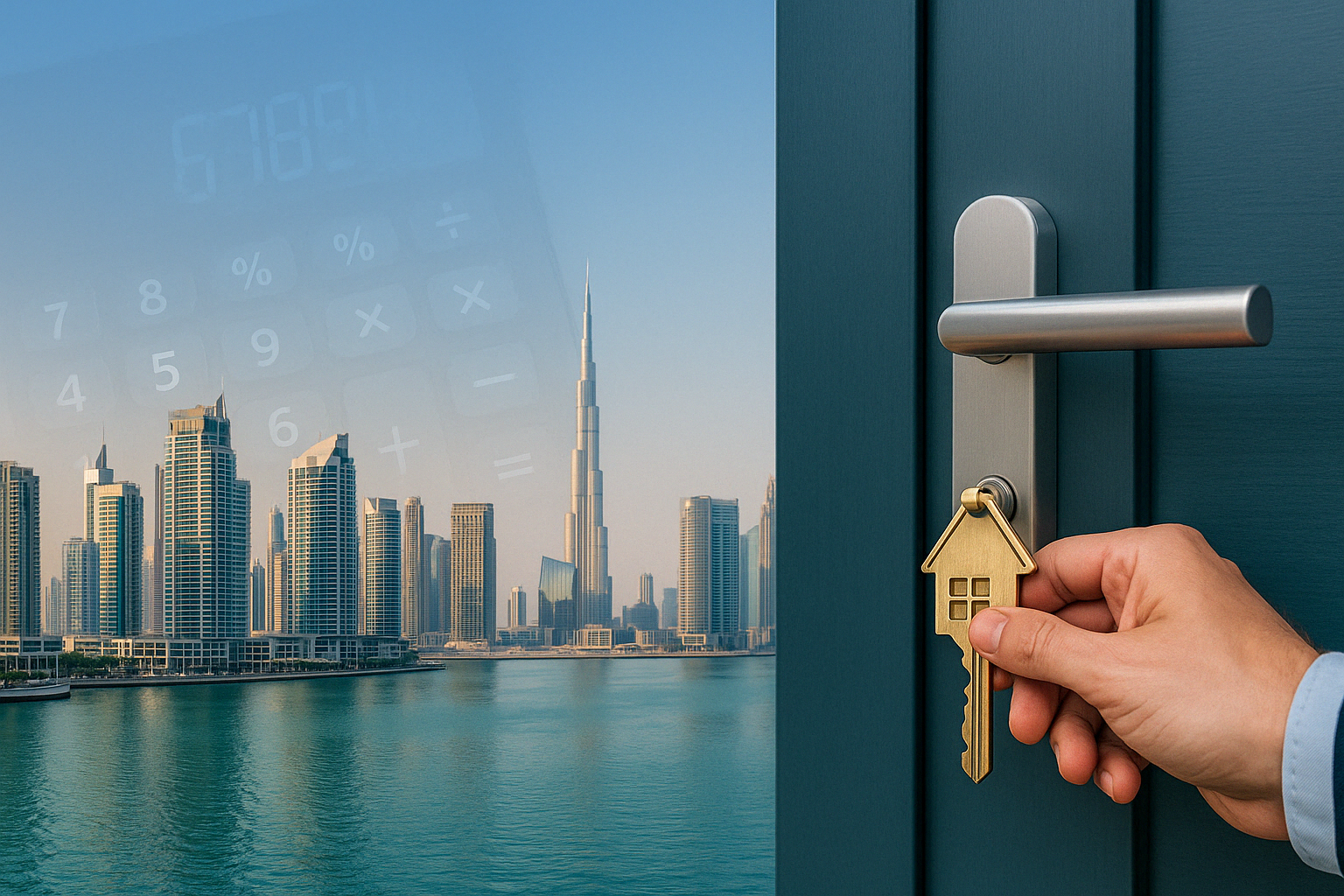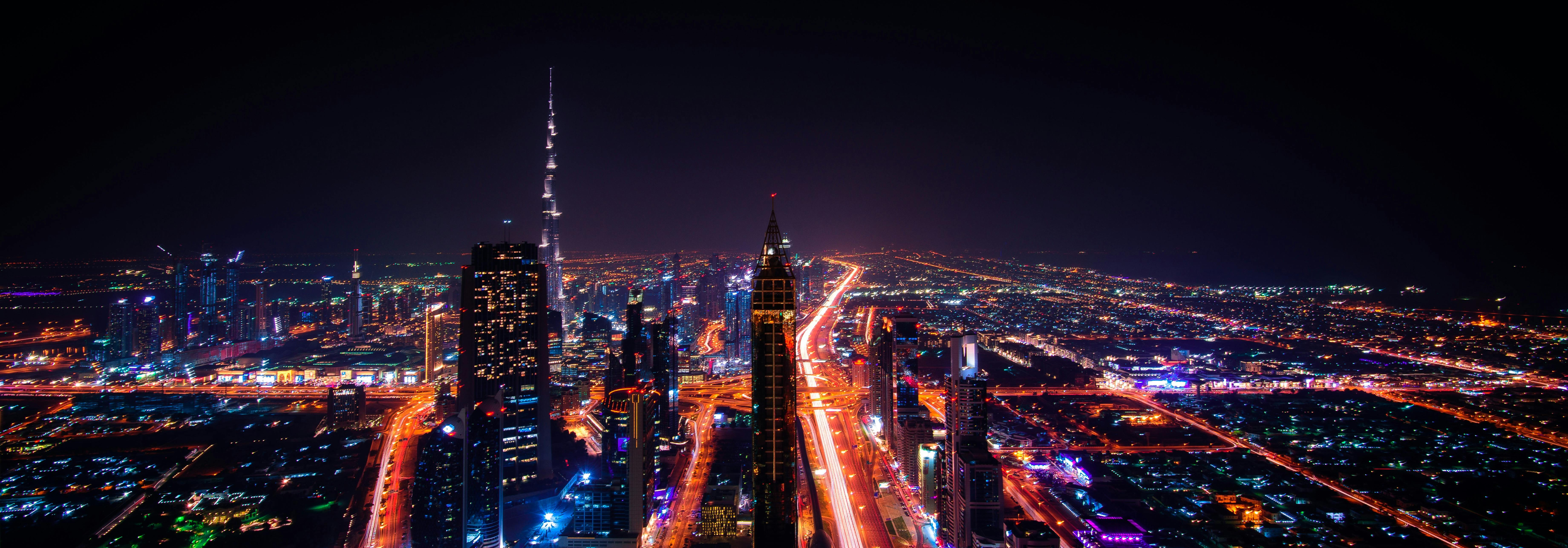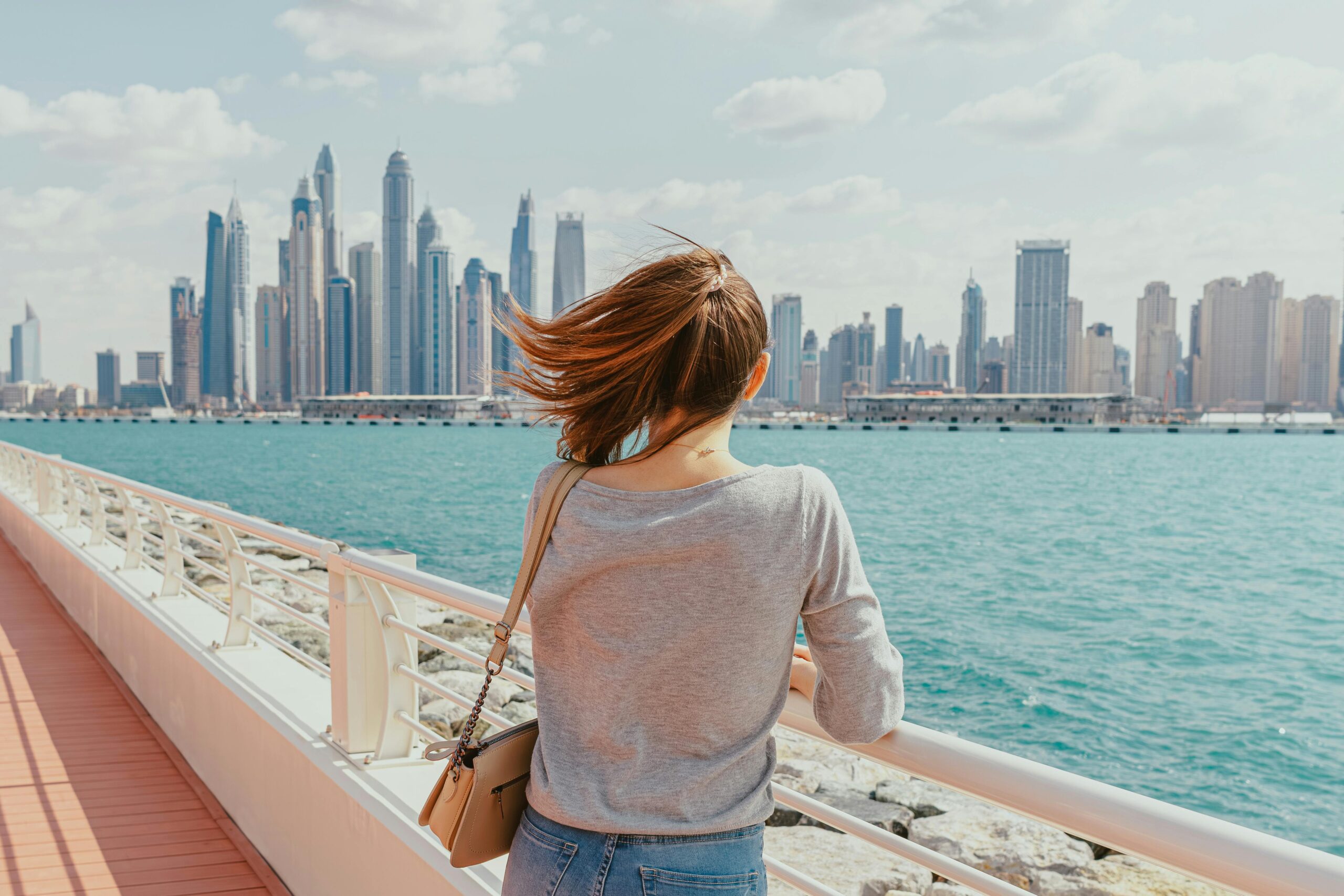


The landscape of UAE real estate has undergone a magnificent transformation over the last decade, evolving into a global hub for innovation, safety, and architectural wonder. As we navigate through 2026, the market continues to demonstrate remarkable resilience and growth, driven by a combination of government initiatives and a steady influx of global talent. For international investors and expatriates, the region represents more than just a place to live; it is a strategic base for wealth preservation and lifestyle enhancement. To understand the current momentum, one must look at the diverse range of opportunities available across the different emirates, each offering a unique value proposition for those willing to engage with this dynamic environment. The steady evolution of the UAE property market is a testament to the nation’s vision of becoming the world’s leading destination for business and leisure.
Understanding the Legal Framework and Freehold Zones
The primary concern for any international buyer is the security of their investment. The real estate laws in UAE have been meticulously crafted to provide a transparent and secure environment for both domestic and foreign buyers. Historically, property ownership was restricted to local citizens, but the introduction of freehold areas in the early 2000s changed the trajectory of the country forever. In these designated zones, non-residents can own property outright, including the land it stands on. This legal clarity is the bedrock of investor confidence, ensuring that the buying process for foreigners in the UAE is as straightforward as possible. In 2026, the system has become even more digitalized, with the DARI platform in Abu Dhabi and the REST app in Dubai streamlining the verification of ownership.
When you decide to enter the market, it is vital to distinguish between freehold and leasehold titles. The availability of freehold properties in Dubai is concentrated in major hubs like Downtown, Dubai Marina, and Palm Jumeirah, where owners have perpetual rights to the property. In contrast, leasehold arrangements typically involve a 99-year lease. Navigating these options requires a clear understanding of the local registration processes. Every transaction is recorded with the relevant land department, providing a digital and physical trail that protects your ownership rights. This system has eliminated much of the ambiguity that used to exist in international real estate transactions, making the Emirates one of the most trusted places to deploy capital globally. For those looking to browse current listings, you can explore the latest residential properties in Dubai to see how these legal zones translate into actual housing options.
Market Analysis and Investment Potential in 2026
The current UAE property market is characterized by a healthy balance of supply and demand. Unlike many global cities facing stagnation, the Emirates has seen a consistent rise in transactional volume. This is largely due to the proactive stance of the government in expanding residency options, such as the Golden Visa, which has made UAE real estate investment an even more attractive prospect. For many, the goal is not just to find a home but to secure a high-yield asset that provides consistent rental returns and long-term capital appreciation. Current forecasts for 2026 suggest a steady growth of 4-6% in capital values, driven by the expansion of the digital economy and the arrival of global tech giants.
Analyzing investment opportunities in UAE requires a deep dive into community-specific data. Some areas are better suited for short-term vacation rentals, while others cater to long-term family residency. The overall property prices in UAE have shown a steady upward trend, yet they remain competitive compared to other global metropolises like London, New York, or Singapore. This price-to-quality ratio is a major reason why the region remains a top choice for portfolio diversification. By looking at historical data and future infrastructure projects, investors can identify pockets of value that are poised for significant growth over the next decade. Many individuals who are not ready for a long-term commitment choose to rent property in UAE initially to understand these neighborhood dynamics before committing to a full purchase.
Residential Property Types: From Luxury to Affordability
The diversity of residential properties in UAE is a testament to the country’s inclusive growth strategy. Whether you are looking for a compact studio in a bustling business district or a sprawling mansion on a man-made island, the options are limitless. For those with a taste for the finer things, the luxury properties UAE developers continue to launch are setting new global benchmarks for opulence. These homes often come with bespoke finishes, private beaches, and integrated smart home technology that anticipates the needs of the resident. The emergence of branded residences, partnered with global fashion houses, has added a new layer of prestige to the market.
If you are looking for a spacious family environment, the villas for sale in UAE suburban communities offer a blend of privacy and community living. These areas are designed with green spaces, schools, and health clinics within walking distance, making them ideal for long-term settlement. On the other hand, the high-rise apartments for sale in UAE urban centers provide unparalleled views and proximity to work. If you are ready to explore the market, you can find the best properties for sale in UAE that fit your specific lifestyle and budget requirements through our platform. For those looking for the right moment to enter, now is an ideal time to buy property in UAE while prices are in a sustainable growth phase. Whether you are searching for a home or a commercial real estate UAE asset, the variety ensures a match for every objective.
Regional Spotlights: Dubai, Abu Dhabi, and Sharjah
While many focus solely on the skyline of the Burj Khalifa, Dubai real estate is only one part of a much larger story. Each emirate offers a distinct atmosphere. Abu Dhabi real estate, for example, is often seen as a more stable and conservative market, focused on high-end cultural and educational developments. The capital has seen a surge in interest due to its focus on sustainable urban planning and the growth of sectors like aerospace and renewable energy. Investors are increasingly looking at sustainable buildings in Abu Dhabi as a way to future-proof their assets against rising energy costs and environmental regulations.
Further north, Sharjah is carving out its own niche by focusing on culture, education, and family-oriented living. The affordable housing projects Sharjah has recently introduced are perfect for middle-income families who want to stay close to the economic hubs while enjoying a more relaxed pace of life. If you are looking for more budget-friendly options, you might consider the latest listings to buy property in Sharjah where value for money is exceptionally high. Meanwhile, back in the heart of the city, the waterfront properties Dubai Marina is famous for continue to be the most liquid and sought-after assets for those who love the Mediterranean-style promenade lifestyle. For those interested in leasing in these areas, you can find apartments for rent in Sharjah that offer excellent value.
The Role of Professionals and Financing
Navigating a foreign market can be daunting without the right help. This is where real estate agents UAE firms employ become invaluable. A good agent does more than just show you properties; they provide market intelligence, assist with negotiations, and guide you through the mountain of paperwork required for a successful transfer. Similarly, real estate consultancy services UAE specialists offer can provide a broader strategic view, helping institutional investors manage large-scale acquisitions or development projects. In 2026, the use of AI-driven valuation tools has made the process of checking market rates more transparent for the average buyer.
Financial planning is another critical pillar of the process. In 2026, the mortgage options in the UAE have become more diverse, with banks offering tailored products for both residents and non-residents. While cash transactions are common, leveraging your purchase through a local bank can help maximize your return on equity. It is important to factor in all costs, including the 4% transfer fee and the various administrative charges, to ensure your budget is realistic. By working with a financial advisor, you can ensure that your purchase is structured in a way that aligns with your overall financial health. The evolving UAE housing market requires a proactive approach to financing to stay ahead of rising demand.
Navigating Rental Markets and Off-Plan Risks
Not everyone is ready to buy property in UAE immediately. Many expats choose to rent property in Dubai for the first year or two to get a feel for the different neighborhoods. When entering a rental agreement, it is essential to understand the lease agreements in the Emirates, which are now largely standardized to protect both parties. Systems like Ejari in Dubai and Tawtheeq in Abu Dhabi ensure that your contract is legally recognized and that any disputes can be handled through official channels.
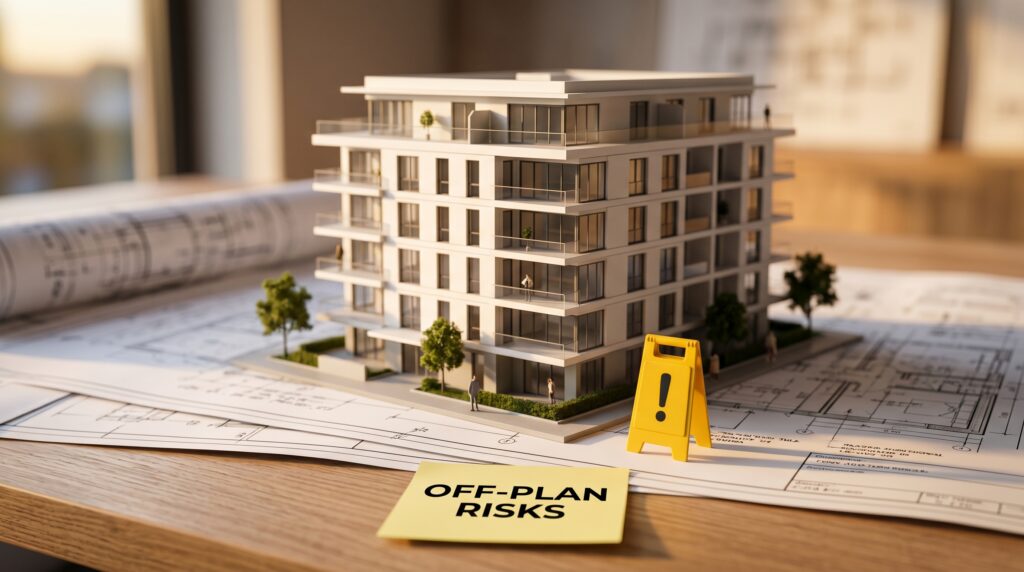
For those looking for the highest possible returns, the off-plan properties UAE market remains a dominant force. Buying before a project is finished often allows you to secure a property at a lower price point and benefit from appreciation during the construction phase. However, this comes with risks. It is vital to research property developers in UAE regions to ensure they have a solid track record and that your payments are going into a regulated escrow account. Interestingly, many investors still look back at the new developments in Dubai 2023 as a benchmark for the rapid expansion and design innovation that characterizes the modern market. These projects paved the way for the sophisticated real estate trends UAE is currently witnessing.
Economic Factors and Future Trends
The UAE housing market is influenced by global economic shifts, but its local drivers remain strong. The diversification of the economy away from oil has created a more stable foundation for property values. We are seeing a significant shift in the way people live, with a greater emphasis on wellness, remote work facilities, and community-centric designs. This evolution reflects the changing needs of the modern workforce, which values flexibility and quality of life above all else. These expat housing options in UAE are becoming more integrated with technology and nature.
As the corporate landscape expands, the commercial sector is also seeing a renaissance. With more companies setting up their regional headquarters in the Emirates, the demand for high-quality office space is at an all-time high. If you are looking to invest in the business sector, you can browse commercial real estate options that range from boutique offices to large warehouse facilities. This segment often provides longer lease terms and stable cash flows, making it a favorite for seasoned investors. The variety of options ensures that as businesses grow, they can find the perfect home for their operations.
Deep Dive into Property Management and Maintenance
Once you have acquired your asset, the focus shifts to preservation and yield management. Owning property in a desert climate requires a proactive approach to maintenance. High temperatures and humidity can take a toll on building systems, so regular servicing of AC units and plumbing is essential. Many owners choose to hire professional management firms to handle the day-to-day operations, especially if they are living abroad. These firms take the stress out of being a landlord, handling everything from tenant vetting to emergency repairs.
For those who have invested in residential units, finding a reliable local management partner can ensure your occupancy rates remain high. The rental market is competitive, and properties that are well-maintained and modernly furnished often command a premium. By reinvesting a small portion of your rental income back into the property, you can ensure that it remains attractive to the highest quality tenants, thereby protecting your long-term income stream. This strategy is particularly effective when looking at the competitive rental yields currently offered across the various emirates.
Strategic Exit Strategies and Capital Gains
Every good investment needs a clear exit strategy. While many choose to hold their UAE assets for decades, others may want to liquidate to capitalize on market peaks. The lack of capital gains tax in the Emirates makes this an incredibly efficient market for recycling capital. When the time comes to sell, presentation is everything. Professional photography, minor renovations, and working with an agent who has a deep network of buyers can make the difference between a quick sale and a property that sits on the market for months.
The liquidity of the market is one of its greatest strengths. Because the Emirates is a global hub, there is always a pool of international buyers looking for quality assets. Whether you are selling a luxury penthouse or a commercial warehouse, the process is transparent and relatively fast. This ease of entry and exit is a key reason why global wealth continues to flow into the local property sector, year after year. Understanding the nuances of the local market is essential for maximizing your returns when it is time to divest.
The Future of Living: Technology and Community
As we look toward the 2030s, the concept of home is evolving. The integration of Artificial Intelligence in property management and the rise of smart districts are transforming the resident experience. We are seeing communities that use data to optimize energy usage, improve security, and enhance social connectivity. This tech-forward approach is making the Emirates a living laboratory for the future of urban life.
Investors who get in now are not just buying bricks and mortar; they are buying into a vision of a future-proof society. The commitment to infrastructure, from the expansion of the metro to the development of new world-class airports, ensures that the country remains at the center of the global map. This permanent state of evolution means that the market is always fresh, with new opportunities emerging in areas that were once considered the outskirts of the city. The continuous development of the region ensures that property values are supported by genuine economic activity and population growth.
Navigating the Challenges of a Dynamic Market
While the opportunities are vast, investors must also be aware of the challenges. The rapid pace of development can lead to fluctuations in supply, which can affect rental yields in the short term. It is important to choose properties in areas with high demand and limited future supply to insulate your investment. Furthermore, understanding the nuances of service charges and community fees is vital for calculating your true ROI.
The role of a trusted advisor cannot be overstated. By working with a reputable firm, you can gain access to off-market deals and early-stage opportunities that are not available to the general public. This insider knowledge is often the difference between a good investment and a great one. As the market continues to mature, the focus will shift even more toward quality and sustainability, making it important to choose assets that will stand the test of time.
Analyzing the Impact of Global Connectivity
The UAE’s position as a global logistics hub has a direct impact on its real estate value. The expansion of Al Maktoum International Airport and the progress of the Etihad Rail project are set to redefine how people and goods move across the region. This increased connectivity makes properties in peripheral areas more accessible, driving up their value and providing new opportunities for residential and commercial development.
For the international investor, this means the potential for capital gains is not limited to the traditional city centers. New master communities are emerging along these transport corridors, offering a more affordable entry point with the promise of high future returns. Keeping an eye on these infrastructure projects is key to staying ahead of the curve in a market that never stands still.
The Cultural Shift and Lifestyle Integration
Living in the UAE is no longer just about work; it is about a high-quality lifestyle. The government’s focus on the “Happiness Agenda” and the development of world-class cultural institutions, such as the Louvre Abu Dhabi and the Museum of the Future, has made the region a global cultural destination. This shift has changed what buyers look for in a home. Modern developments now prioritize walkability, outdoor living spaces, and access to a wide range of leisure activities.
This lifestyle-centric approach is particularly evident in the rise of wellness communities, where nature and health are integrated into the architecture. These areas are seeing high demand from both residents and investors who recognize that the quality of life is the primary driver of property value in the modern era. As the region continues to evolve, those who embrace this holistic view of real estate will be the ones who reap the greatest rewards.
Conclusion
The journey through the UAE real estate market is one of opportunity and growth. By understanding the legal framework, identifying the right regional hubs, and working with experienced professionals, you can build a property portfolio that stands the test of time. From the bustling streets of Dubai to the cultural heart of Abu Dhabi and the family-friendly neighborhoods of Sharjah, the Emirates offers a lifestyle and an investment climate that is truly world-class. As you take your first steps into this vibrant market, remember that thorough research and a long-term perspective are your greatest assets. Whether you are looking for your forever home or a strategic commercial hub, the potential for success in this desert oasis is limited only by your imagination. The Emirates is ready to welcome you to a future where innovation and tradition live side by side in perfect harmony.